
On this page
Key takeaways
- Test your heat in the fall, before the first cold night, not during it.
- A faint dusty smell the first time the heat runs is common. A strong burning, electrical or rotten-egg smell is not.
- Homes with gas heat need working carbon monoxide alarms on every level and outside sleeping areas, as the CPSC recommends.
- A heat pump’s outdoor unit can steam and pause in cold, damp weather. That’s its normal defrost cycle.
Know which kind of heat you have
| Type | How it heats | What to know |
|---|---|---|
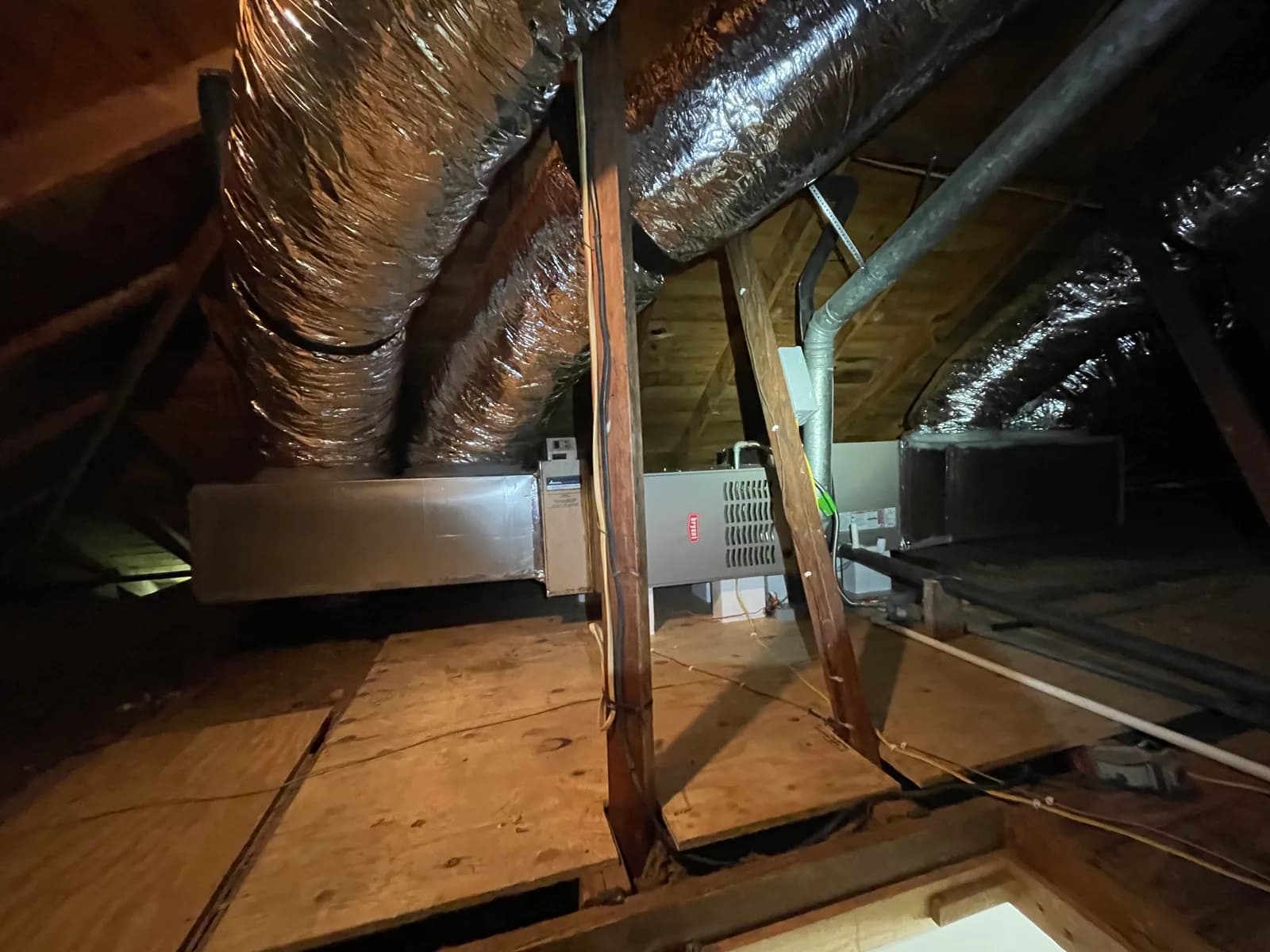
| Gas furnace | Burns natural gas to warm the air | Needs a yearly safety check and working CO alarms. A vent pipe carries combustion gases outside. |
| Heat pump | Moves heat from the outdoor air into your home, like an AC running in reverse | Efficient in our mild winters. May switch on backup electric heat on the coldest nights. |
| Electric heat strips | Warms the air with electric coils, like a toaster | Simple, but expensive to run for long periods. |
The first cold night: what’s normal
Usually normal
- A faint dusty smell for the first few minutes as dust burns off
- A click and a short pause before the furnace blower starts
- Steam rising from a heat pump’s outdoor unit in cold, damp weather
- A heat pump pausing for a few minutes to defrost
Turn it off and call
- A rotten-egg smell, which can mean a gas leak: leave the house and call the gas company from outside
- A carbon monoxide alarm sounding
- Burning plastic or electrical smells
- Loud banging, screeching or rumbling
- Soot or scorch marks around the furnace
Interactive tool
Is this normal?
Pick what you’re noticing and we’ll explain what it likely means.
Question 1
What are you noticing?
Carbon monoxide: the safety step that matters most
Gas furnaces, water heaters, stoves and fireplaces can all produce carbon monoxide if something goes wrong. You can’t see it or smell it.
- Install carbon monoxide alarms on every level of your home and outside sleeping areas, as the CPSC recommends.
- Test the alarms monthly and replace their batteries every year.
- Never use a gas oven or stove to heat your home.
- Never run a generator, grill or car in a closed space, including an attached garage.
Your fall heating checklist
- Run the heat on a mild fall day to make sure it works.
- Replace the air filter.
- Test smoke and CO alarms.
- Clear storage away from the furnace, and keep anything flammable well away from it.
- Schedule a fall heating visit: burner cleaning and a CO test on gas heat.
Common questions
A faint dusty smell that fades quickly is common. A strong burning, electrical or gas smell is not. Turn it off and call.
During defrost, a heat pump briefly switches modes, and some systems blow cooler air for a few minutes. If it blows cold air continuously, have it checked.
Your risk is lower without fuel-burning appliances or an attached garage, but the CPSC recommends CO alarms on every level of the home and outside sleeping areas. They’re inexpensive peace of mind.
Once a year, in the fall, as ENERGY STAR’s maintenance checklist recommends.
Sources
We checked the facts in this guide against these public sources.
- U.S. Consumer Product Safety Commission — Carbon monoxide alarms
- CDC — Carbon monoxide poisoning basics
- ENERGY STAR — Heating and cooling maintenance checklist
- U.S. Department of Energy — Heat pump systems
This guide is general information for homeowners, not a diagnosis of your system. If you smell gas or a carbon monoxide alarm sounds, leave the house and call 911 or your gas utility first.